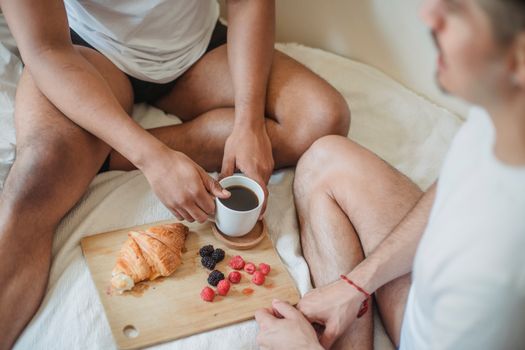
When it comes to sexual performance and satisfaction, most people focus on emotional connection, communication, or even bedroom techniques. However, an often-overlooked aspect is the profound impact that nutrition and lifestyle choices have on sexual health. The foods you eat, the way you move, your stress levels, and daily habits can directly influence libido, arousal, stamina, and overall sexual satisfaction. Scientific studies reveal a strong link between dietary patterns, lifestyle habits, and sexual well-being for all genders. In this article, we’ll explore the fascinating ways that diet and lifestyle shape sexual performance, highlight what science says about what to eat for better intimacy, and provide practical tips to optimize your sexual health from the inside out.
The Science Behind Diet, Lifestyle, and Sexual Performance
Your sexual health doesn’t exist in a vacuum—it’s intimately connected to your overall physical and psychological well-being. The cardiovascular, nervous, and hormonal systems all play vital roles in sexual arousal and function. Diet and lifestyle choices can either support or undermine these systems.
According to the Cleveland Clinic, about 52% of men experience some form of erectile dysfunction (ED), and up to 43% of women report sexual dysfunction at some point in their lives. Many underlying causes—such as poor circulation, hormonal imbalances, and stress—are influenced by what we eat and how we live.
.png)
A 2019 study published in JAMA Network Open found that following a Mediterranean diet rich in fruits, vegetables, nuts, and whole grains was associated with a 40% lower risk of ED compared to less healthy eating patterns. Similarly, research in the Journal of Sexual Medicine has shown that women who consume more plant-based foods and maintain a healthy weight report higher levels of sexual satisfaction and arousal.
Key factors impacted by diet and lifestyle include: - Blood flow and vascular health - Hormone production (e.g., testosterone, estrogen) - Nerve sensitivity and function - Energy levels and stamina - Mood and stress responseTop Nutrients and Foods That Enhance Sexual Performance
What you put on your plate can significantly affect what happens between the sheets. Certain nutrients are particularly important for sexual health:
1. $1: An amino acid found in nuts, seeds, and legumes, L-arginine helps produce nitric oxide, which relaxes blood vessels and improves circulation—a key factor for erections and genital sensation. 2. $1: Necessary for testosterone production and sperm health in men, and hormone balance in women. Oysters, red meat, and pumpkin seeds are rich in zinc. 3. $1: Found in fatty fish, flaxseed, and walnuts, these healthy fats support blood flow and reduce inflammation. 4. $1: Antioxidants in berries, citrus fruits, and dark chocolate that protect blood vessels and may reduce the risk of ED by up to 21% according to a Harvard study. 5. $1: Important for nerve function and energy; abundant in whole grains, eggs, and leafy greens.Let’s look at a comparative table of foods and their sexual health benefits:
| Food | Key Nutrient(s) | Sexual Health Benefit | Recommended Intake |
|---|---|---|---|
| Oysters | Zinc | Boosts libido, supports sperm health | 2-3 servings/month |
| Salmon | Omega-3 fatty acids | Improves blood flow, reduces inflammation | 2 servings/week |
| Spinach | Magnesium, B vitamins | Enhances circulation, energy | 3-5 servings/week |
| Dark Chocolate (70%+) | Flavonoids | Supports vascular health, increases desire | 1-2 ounces/day |
| Pumpkin Seeds | L-arginine, Zinc | Promotes nitric oxide production, hormone balance | Small handful/day |
| Berries | Antioxidants | Protects blood vessels, enhances arousal | 1 cup/day |
How Lifestyle Habits Influence Sexual Health
Beyond nutrition, several lifestyle habits have a direct impact on sexual performance and satisfaction. These include:
- $1: Regular exercise boosts cardiovascular health, enhances mood, and increases stamina. A study in the Archives of Sexual Behavior found that men who exercised at least 30 minutes a day had a 40% lower risk of ED. - $1: Chronic sleep deprivation lowers libido and disrupts hormone production. The National Sleep Foundation states that adults who get 7-9 hours of sleep report higher sexual satisfaction. - $1: High stress increases cortisol, which interferes with sexual desire and performance. Techniques such as mindfulness, yoga, or simple deep-breathing exercises can help. - $1: Both substances impair circulation and nervous system function, decreasing arousal and performance. In fact, smoking is linked to double the risk of ED in men and reduced arousal in women.A 2022 survey by the American Sexual Health Association found that 62% of adults who adopted healthier lifestyle habits reported improved sex lives within six months.
Eating Patterns for Long-Term Intimacy Gains
It’s not just individual foods, but overall eating patterns that matter. Diets high in processed foods, added sugars, and unhealthy fats are linked to poorer sexual function and lower libido. In contrast, the following eating patterns have been shown to support sexual health:
- $1: Emphasizes fruits, vegetables, whole grains, lean proteins, olive oil, and moderate wine. A study of 2,215 men found that those adhering to this diet had a 13% lower risk of ED. - $1: Focuses on reducing sodium and increasing potassium, magnesium, and calcium through vegetables, fruits, and low-fat dairy. It’s known for improving blood pressure, which is directly linked to sexual function. - $1: Diets rich in plant proteins, legumes, nuts, and seeds support hormone balance and vascular health.Conversely, high intake of saturated fat, red meat, and sugary drinks is correlated with increased rates of sexual dysfunction in both men and women.
Common Diet and Lifestyle Mistakes That Sabotage Sexual Performance
Many people unknowingly undermine their sexual health through everyday dietary and lifestyle choices. Here are some common pitfalls to avoid:
- $1: Can lead to low energy, poor hormone production, and decreased libido. - $1: Foods high in trans fats, sodium, and added sugars negatively affect blood flow and hormone balance. - $1: Even mild dehydration can reduce energy levels and vaginal lubrication, impacting performance and comfort. - $1: Sitting for extended periods slows circulation and increases the risk of vascular problems. - $1: Anxiety, depression, and high stress are major contributors to low sexual desire and satisfaction. Balanced nutrition and lifestyle habits can help, but professional support may be needed.Practical Steps: What to Eat and Do for Better Intimacy
Here are actionable tips to harness the power of diet and lifestyle for enhanced sexual performance:
1. Include a variety of colorful fruits and vegetables daily for antioxidants and vitamins. 2. Choose lean proteins such as fish, poultry, and legumes to support muscle and hormone health. 3. Add a serving of nuts or seeds (such as pumpkin seeds or walnuts) each day for essential fatty acids and minerals. 4. Substitute processed snacks with dark chocolate or berries for a libido-friendly treat. 5. Stay hydrated—aim for at least 8 cups of water per day. 6. Engage in at least 150 minutes of moderate exercise per week, such as brisk walking, cycling, or swimming. 7. Prioritize sleep and manage stress with relaxation techniques. 8. Limit alcohol to no more than one drink per day (for women) or two (for men), and avoid tobacco altogether.These changes don’t just benefit your sex life—they support heart health, mood, and overall vitality.
Final Thoughts on Diet, Lifestyle, and Sexual Performance
Sexual performance and fulfillment are not just about the moment—they’re the result of your daily choices. By nourishing your body with the right foods, staying active, managing stress, and caring for your overall health, you lay the foundation for satisfying and lasting intimacy. Even small changes, such as switching to a Mediterranean-style diet or walking daily, can make a noticeable difference in both sexual function and pleasure. Remember that everyone’s body is different, and what works best may vary, but prioritizing your health is a powerful step towards better intimacy.