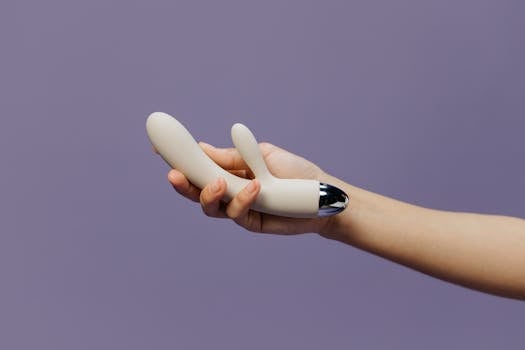
Eroticism in art is a topic that has spurred diverse viewpoints, engaging discussions on morality, aesthetics, and freedom of expression. This exploration of human sexuality through visual art forms has a rich history and continues to evolve, pushing societal boundaries and challenging viewers to reconsider preconceived notions about what is considered acceptable.
Historical Perspectives
Erotic elements in art are not a modern development. Ancient civilizations, like the Greeks and Romans, produced sculptures and pottery that depicted sexual acts explicitly. In Eastern cultures, such as those in India and Japan, erotic imagery was common in religious and secular art. The famous Khajuraho temples and Japanese shunga prints are testament to how integrated such themes were in the cultural tapestries of these societies.
.png)
The Role of Artistic Freedom
The debate often centers around the artist's freedom to explore and express themes of sexuality. Art is a reflection of human experiences and emotions, and sexuality is a core component of humanity. By setting boundaries on the depiction of erotic themes, do we restrict the artist’s ability to explore and reflect on all facets of human experience?
Societal Impact
Erotic art often serves as a catalyst for conversation about human sexuality. It can demystify and destigmatize aspects of the sexual experience that are often considered taboo. This can lead to a more open, informed, and healthy discussion about sexuality, encouraging a society that embraces a more inclusive understanding of diverse sexual identities and orientations.
Empowerment Through Art
Erotic art also has the power to empower. For the viewer, it can be an exploration of personal fantasies and desires without judgment. For the artist, it represents a reclaiming of sexual agency and a form of resistance against societal constraints. This is particularly poignant in feminist and LGBTQ+ art movements, where erotic art has been used as a tool for political activism and social commentary.
Ethical Considerations
Despite these positive aspects, the ethical implications of erotic art are significant and complex. It is crucial for artists to be mindful of the difference between empowerment and objectification. Art that dehumanizes individuals or perpetuates harmful stereotypes does not advance the conversation but rather entrenches existing prejudices.
The Fine Line Between Art and Obscenity
What distinguishes erotic art from obscenity? This is often subjective and varies greatly across different cultures and legal frameworks. Generally, art is considered obscene if it lacks serious literary, artistic, political, or scientific value. However, this definition is inherently vague and leaves much up to individual interpretation.
Conclusion
As society progresses, so too does the dialogue around erotic art. While it can sometimes be provocative, the ultimate goal should be to foster a deeper understanding and appreciation of the complexities of human sexuality. Artists play a crucial role in this by creating works that challenge, educate, and provoke thought, navigating the delicate balance between expression and respect for diverse perspectives.
In essence, erotic art is more than just an exploration of sexual boundaries; it is a vital part of our ongoing conversation about freedom, respect, and human nature. As we continue to confront and push these boundaries, it is crucial to do so with a thoughtful approach that considers the wide array of human experiences and values.