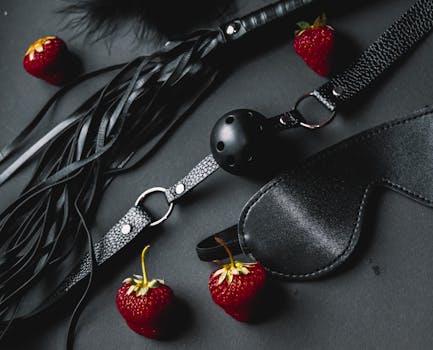
The discourse surrounding fetish culture has gradually transitioned from the fringes to a more central position in mainstream conversations about sexuality. As society scrutinizes the implications of fetish practices, the role of modern fetish guides becomes a focal point. These guides are pivotal in shaping perceptions: they can either empower individuals by fostering understanding and acceptance or contribute to ongoing patterns of objectification. This exploration delves into both potentials, aiming to unveil how modern fetish guides influence contemporary views on sexual expression and identity.
Empowerment Through Education and Acceptance
Modern fetish guides often serve as crucial educational tools. They break down the complexities of various fetishes, offering valuable insights into safe practices and psychological underpinnings. This educational aspect is vital for empowerment. By demystifying the aspects of sexuality that have long been considered taboo, these guides provide a space for individuals to explore their desires openly and safely.
.png)
Key to this empowerment is the emphasis on consent and communication found in many fetish guides. Effective communication is portrayed not just as a requisite but as the backbone of fulfilling and ethical fetish practices. Guides that prioritize these elements help cultivate a sexual culture rooted in respect and mutual understanding, potentially leading to more satisfying and equitable relationships.
Moreover, by promoting self-acceptance, these guides can have a profoundly positive impact on mental health. For many, discovering a community or a set of practices that resonates with their unexpressed desires can lead to greater self-esteem and personal fulfillment. In this context, fetish guides do more than inform—they validate and support individual identity exploration.
The Risk of Objectification and Misrepresentation
Despite these benefits, the potential for modern fetish guides to objectify individuals cannot be overlooked. The portrayal of fetishism—often laden with explicit imagery and provocative themes—might unintentionally focus more on the eroticization of participants rather than the interpersonal dynamics and emotional connections involved.
Critics argue that certain elements of fetish culture, particularly those involving power dynamics, could perpetuate harmful stereotypes or existing societal inequalities. For instance, if not handled carefully, BDSM-related guides might reinforce traditional gender roles or normalize a skewed power balance that could translate beyond the consensual scenario, affecting broader interpersonal dynamics.
Additionally, the commercialization of fetish culture raises concerns about the sincerity and accuracy of the information presented in these guides. When profit motives overshadow the educational intent, there is a risk that these resources might skew towards sensationalism, potentially misleading newcomers about the realities and responsibilities inherent in these practices.
Navigating the Complex Landscape
The dual potential of modern fetish guides to empower or objectify makes it imperative for creators to navigate this landscape with sensitivity and a strong ethical compass. It is crucial for these guides to balance the allure of the taboo with responsible, accurate information that respects the dignity of all participants.
This balance involves a continual reassessment of how fetish practices are portrayed, ensuring that representation in media and literature is diverse and inclusive, avoiding stereotypes, and prioritizing the voices of those within the fetish community. Creators must also ensure that the excitement and exploration of sexual desires do not eclipse the essential principles of consent and respect.
Conclusion
As fetish culture becomes increasingly mainstream, the role of fetish guides is more significant than ever. They have the power to either reinforce outdated and harmful perceptions or to challenge them by providing a platform for education, acceptance, and empowerment. The path forward requires a commitment to nuanced, respectful, and informed discussion in these guides, ensuring they serve as tools of empowerment devoid of objectification. By doing so, fetish guides can contribute positively to a broader understanding of sexuality, enhancing both individual and collective experiences.