The conversation about representation in media has increasingly acknowledged the importance of diversity across all genres, including adult entertainment. This sector, while often overlooked in mainstream debates, significantly influences societal perceptions and norms about sexuality, gender, and race. Understanding the role of representation in adult entertainment is crucial for both the industry and its audience.
Why Representation Matters in Adult Entertainment
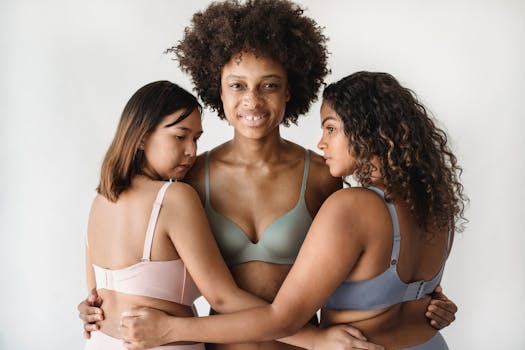
Representation in this context goes beyond the diversity of casting. It encompasses how characters are portrayed, the narratives that are created, and the inclusivity of different sexual orientations, body types, and racial and ethnic backgrounds. A comprehensive approach to representation helps produce content that is not only more relatable but also enriches a diverse viewership.
.png)
Historically, the adult entertainment industry has faced criticism for perpetuating stereotypes and providing limited and often degrading portrayals of women, minorities, and LGBTQ+ individuals. Racial and ethnic minorities have been particularly susceptible to being typecast in roles that reinforce negative stereotypes. The LGBTQ+ community, too, has often been either underrepresented or depicted in ways that do not genuinely reflect the diversity of their experiences.
The Shift Toward Inclusive Representation
There is, however, a burgeoning movement within the industry aimed at transforming these narratives. Industry professionals such as producers, directors, and performers are advocating for content that respects and celebrates diversity. This includes creating films and scenes with a broader spectrum of participants and focusing on stories that promote empowerment and consent, moving away from traditional and often problematic tropes.
The effects of positive representation are significant. For viewers, seeing themselves authentically represented in the media they consume can be incredibly validating. It also plays a critical role in dismantling stigmas and misconceptions surrounding sexuality. For performers, an environment that values diversity and inclusivity can enhance job satisfaction and foster a sense of community and belonging within the industry.
From a business standpoint, embracing diversity can unlock new markets and appeal to a broader audience. As societal acceptance of different sexual orientations and identities grows, there is an increasing demand for adult content that mirrors this diversity. Producers who recognize and respond to this demand are likely to gain a competitive advantage in a dynamic market.
Challenges and the Path Forward
Despite these advancements, significant challenges persist. Representation gaps, particularly for transgender individuals and people of color, remain wide. Additionally, the industry continues to grapple with external pressures such as censorship and legal constraints, which can affect storytelling and representation.
To enhance representation, continuous advocacy from all industry stakeholders is essential. This includes supporting creators committed to diversity and demanding better from those who cling to outdated narratives. It also involves endorsing policies that uphold the rights of all performers and ensure a safe, respectful work environment.
Conclusion
Although hurdles remain, the movement towards improved representation in adult entertainment marks a positive shift that benefits all parties involved. By persistently advocating for change and embracing diversity, the industry can not only enhance its public image but also offer a more inclusive and enriching experience for its audience.