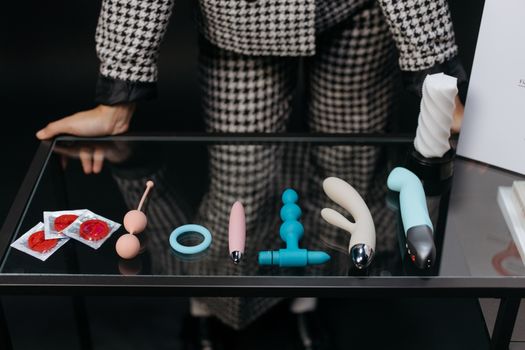
The boundaries between art and exploitation in adult entertainment have been debated for decades, creating a dichotomy that is both complex and deeply rooted in societal values. Is adult entertainment a legitimate form of artistic expression, or does it inherently exploit those involved? The answer is far from simple. This article delves into the multifaceted nature of adult entertainment, examining its artistic elements, the realities of exploitation, consumer perceptions, and the legal and ethical frameworks that shape the industry. We will also compare how different cultures approach this dichotomy and explore recent trends that continue to shape the debate.
The Artistic Side of Adult Entertainment: Expression and Intent
Throughout history, sexuality and eroticism have been integral themes in art, from ancient Greek sculptures to Renaissance paintings and contemporary photography. In modern times, adult entertainment has not only reflected sexual expression but has also occasionally strived for artistic merit.
Adult films such as “The Opening of Misty Beethoven” (1976) or “The Devil in Miss Jones” (1973) are often cited as examples where the intent was to blend narrative storytelling and visual artistry with erotic content. Directors like Candida Royalle and Erika Lust have championed a vision of erotic film that emphasizes aesthetic quality, consent, and narrative depth.
.png)
According to a 2021 survey by the Kinsey Institute, 27% of respondents considered certain forms of adult content to be “artistic or creative,” while 41% believed some productions could have artistic value depending on context and intention. This suggests a significant portion of the public recognizes a space for artistry within adult entertainment.
Examples of artistic approaches include: - Emphasis on cinematography, set design, and narrative - Focus on authentic emotional connection and representation - Use of adult themes in performance art and gallery exhibitionsThe existence of adult film festivals, such as the Berlin Porn Film Festival and the Porn Film Festival Vienna, further demonstrates that some segments of society are willing to view adult content through an artistic lens.
Exploitation in Adult Entertainment: Myths and Realities
While there are undeniably artistic elements within adult entertainment, the industry has also faced longstanding criticism for exploitative practices. Exploitation in this context can take many forms, including coercion, lack of informed consent, unsafe working conditions, and economic manipulation.
A 2018 study from the Urban Justice Center surveyed 300 adult performers in the United States, revealing that 37% had experienced some form of coercion or pressure related to their work. Similarly, the organization Polaris reported that adult entertainment was among the top five industries linked to human trafficking between 2015 and 2020.
Key issues related to exploitation include: - Non-consensual filming and distribution (e.g., “revenge porn”) - Wage theft or underpayment of performers - Lack of medical safeguards and protections - Psychological distress and social stigmaHowever, it’s important to note that exploitation is not universal across the industry. Many performers and creators emphasize agency, autonomy, and informed participation. The rise of independent platforms (OnlyFans, ManyVids) has allowed performers to exert more control over their content, finances, and working conditions.
Cultural Perceptions: Art vs. Exploitation Across Societies
The dichotomy between art and exploitation is shaped heavily by cultural attitudes towards sex, nudity, and personal autonomy. What is considered art in one country may be deemed obscene or exploitative in another. Below is a comparative overview of how different regions approach this issue:
| Region | Regulatory Attitude | Public Perception | Artistic Acceptance |
|---|---|---|---|
| Western Europe | Liberal, regulated | Mixed, but generally tolerant | Adult content often recognized as art |
| United States | Regulated, but with legal and moral restrictions | Divided; strong debates about morality vs. freedom | Selective acceptance in art communities |
| Japan | Strict censorship laws | Adult content normalized but heavily regulated | Manga and anime blur lines between art and erotica |
| Middle East | Strict prohibition | Generally viewed as immoral or criminal | Very limited, often underground art forms |
| Scandinavia | Liberal, focused on performer rights | Generally accepting, focus on consent | Adult content integrated in some art spaces |
This table illustrates that the perception of adult entertainment as art or exploitation is far from universal. Legal frameworks and cultural values play pivotal roles in shaping both industry practices and individual experiences.
The Economics of Consent: Performer Agency vs. Industry Power Structures
At the heart of the art vs. exploitation debate lies the issue of agency—whether adult entertainers have genuine control over their work and livelihoods. The traditional adult entertainment industry has been criticized for centralizing power among a few producers and distributors, leaving performers with limited bargaining power.
However, the digital revolution has shifted the landscape. Platforms like OnlyFans reported over 2 million content creators and 190 million users worldwide as of 2023. This shift toward “content creator economy” allows performers to set their own boundaries, prices, and production standards.
According to a 2022 report by the Free Speech Coalition, 58% of independent adult content creators described their experience as “empowering,” citing greater financial control and autonomy. Yet, the same report found 24% felt pressured to produce more extreme or risky content to remain competitive.
Economic realities also affect agency: - Entry barriers are lower, but market saturation can drive down earnings - Independent creators are responsible for their own safety, marketing, and legal compliance - Algorithms on major platforms may favor certain types of content, subtly influencing performer choicesThus, while new technology can empower, it can also create new forms of economic exploitation and pressure.
Legal and Ethical Frameworks: Protecting Art and Preventing Harm
The legal landscape surrounding adult entertainment is a patchwork of local, national, and international regulations. Laws are designed to address both the protection of performers and the rights of consumers, but they vary widely.
In the United States, the Miller Test (from the 1973 Supreme Court case Miller v. California) is used to determine what constitutes obscenity, which is not protected by the First Amendment. This test asks whether the average person, applying contemporary community standards, would find the work appeals to prurient interests, depicts sexual conduct in an offensive way, and lacks serious artistic value.
Meanwhile, the European Union has focused increasingly on performer rights, mandating that all performers must provide informed consent, be of legal age, and have access to medical protections. The UK’s Digital Economy Act 2017 requires age verification for adult content, aiming to protect minors.
Ethical frameworks are also emerging within the industry itself: - The Adult Performer Advocacy Committee and similar organizations offer support and resources - Industry codes of conduct promote safer sets and transparent contracts - Some production companies now publish ethical statements and behind-the-scenes documentation to demonstrate best practicesHowever, enforcement remains a challenge, particularly in the digital age where content can be uploaded and distributed globally in seconds.
Audience Responsibility and Evolving Social Norms
Consumers play a pivotal role in shaping the adult entertainment industry. As social norms evolve, audiences are increasingly demanding transparency, ethical sourcing, and respectful depictions of sexuality.
According to a 2023 Pew Research Center survey, 46% of adults in the U.S. believe it’s important to ensure that performers in adult content are treated fairly and have given informed consent. This growing awareness has led to a rise in “ethical porn” and “fair trade” adult content, where companies and creators highlight their commitment to performer welfare.
Educational campaigns and media literacy initiatives are helping audiences distinguish between exploitative and consensual content. The rise of review sites, performer-run forums, and advocacy groups has made it easier for consumers to make informed choices.
As society continues to debate the art vs. exploitation dichotomy, audience preferences and ethical considerations will remain central to industry evolution.
Navigating the Dichotomy: Where Do We Go From Here?
The debate over whether adult entertainment is art or exploitation is not likely to be resolved anytime soon. Both perspectives are valid and rooted in real-world experiences—some productions are genuinely artistic, while others are undeniably exploitative.
The key to moving forward lies in promoting transparency, empowering performers, and educating audiences. Laws and industry standards must continue to evolve to protect against abuse without stifling legitimate artistic expression. The rise of ethical consumption and performer-driven content is a promising trend, suggesting that the industry is capable of self-reflection and positive change.
As technology and culture evolve, so too will the boundaries between art and exploitation. Ultimately, the responsibility lies with creators, consumers, and regulators alike to ensure that adult entertainment can be a space for safe, consensual, and creative expression—without crossing the line into harm.