The Intersection of Fashion and Fetish Culture: A Deep Dive into Style, Expression, and Influence
Fashion is often seen as a reflection of society's values, desires, and taboos. Over the decades, the world of fashion has continually flirted with the boundaries of convention, drawing inspiration from unexpected sources—one of the most intriguing being fetish culture. The intersection of fashion and fetishism has not only influenced runway trends and street style but has also sparked broader conversations about identity, freedom of expression, and the fluid nature of desire.
This article explores how elements of fetish culture have infiltrated mainstream fashion, the impact on popular culture, the symbolism behind fetish-inspired designs, and the ongoing dialogue about empowerment, controversy, and aesthetics. Through historical context, key moments, and a closer look at the evolution of materials and motifs, we’ll uncover how this fascinating intersection continues to shape the way we dress and express ourselves.
.png)
The Historical Roots: From Underground to Runway
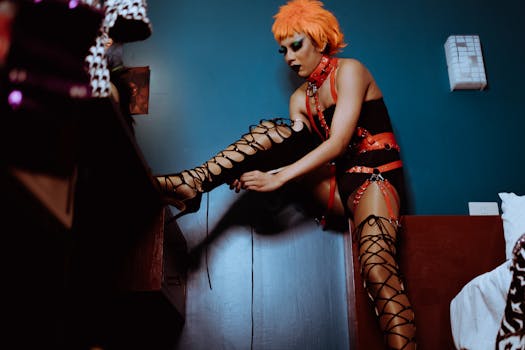
To understand the relationship between fashion and fetish culture, it’s important to first trace their historical roots. Fetish attire—such as corsets, leather harnesses, latex bodysuits, and high boots—emerged from subcultural spaces like underground clubs and private gatherings. In the early 20th century, these garments were often relegated to taboo, hidden from mainstream view. However, as social attitudes began to shift, the boundaries between underground fetish culture and mainstream fashion started to blur.
One of the earliest and most influential fashion designers to draw directly from fetish aesthetics was John Sutcliffe, who founded AtomAge in the late 1950s. His latex and leather designs, initially intended for motorcyclists, quickly became iconic within fetish circles. By the 1970s and 1980s, designers like Vivienne Westwood and Jean-Paul Gaultier brought bondage-inspired elements and punk sensibilities to the runway. Westwood’s use of safety pins, ripped fabrics, and corsetry, as well as Gaultier’s infamous cone bras for Madonna, marked a pivotal moment where fetish aesthetics broke into the public sphere.
Today, elements such as chokers, harnesses, and latex are regularly seen in both high fashion and streetwear, illustrating how these once-taboo items have become part of the fashion lexicon.
Key Materials and Motifs: Symbols of Power and Rebellion
The materials and motifs associated with fetish culture are loaded with meaning, often symbolizing power, control, and rebellion. Designers employ these elements to evoke strong emotional responses and challenge conventional standards of beauty and propriety.
Latex, for example, is a material synonymous with fetishwear. It clings to the body, creating a second-skin effect that both reveals and conceals. According to market research, the global latex clothing industry was valued at approximately $280 million in 2022 and is projected to grow steadily as mainstream interest increases.
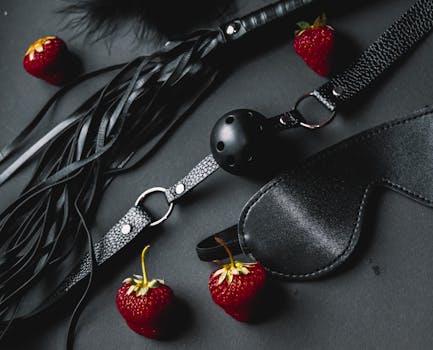
Leather is another dominant material, historically linked with biker culture, punk rock, and BDSM. The use of leather jackets, pants, and harnesses communicates a sense of edginess and defiance. In 2023, leather apparel accounted for 8% of luxury fashion sales worldwide, a testament to its ongoing allure.
Motifs such as chains, studs, zippers, and buckles are frequently incorporated into both fetish attire and contemporary fashion collections. These elements serve as visual references to restraint and liberation, tapping into deeper themes of dominance, submission, and personal agency.
Mainstreaming Fetish: Runway, Pop Icons, and Street Style
The mainstreaming of fetish-inspired fashion has been driven by both the runway and influential pop culture icons. Fashion houses such as Alexander McQueen, Givenchy, and Balmain have made bold statements with collections featuring harnesses, corsetry, and provocative cutouts.
Celebrities play a major role in normalizing fetish aesthetics. Madonna’s 1990 Blond Ambition tour, with its iconic cone bras and leather accessories, marked a watershed moment for fetish-inspired fashion. More recently, artists like Lady Gaga, Rihanna, and Kim Kardashian have worn latex dresses, fishnet bodysuits, and strappy harnesses to awards shows and public events, further blurring the line between fantasy and everyday wear.
The influence extends beyond luxury fashion and red carpets. In 2021, sales of harness accessories on major online retailers rose by over 60% compared to the previous year, according to industry reports. Street style photographers frequently capture individuals wearing chokers, mesh, and other fetish-inspired pieces, demonstrating how these elements have become part of the wardrobe of the general public.
Fetish Fashion and Identity: Expression, Empowerment, and Controversy
For many, the adoption of fetish-inspired fashion is about more than aesthetics—it’s a statement of personal identity and empowerment. Garments that originated in the realm of fetish culture often serve as symbols of autonomy, sexuality, and self-expression.
Wearing a corset or a harness can be an act of reclaiming agency over one's body, subverting traditional notions of modesty and control. In a 2020 survey conducted by the Fashion Institute of Technology, 57% of respondents who wore fetish-inspired accessories said they felt more confident and empowered as a result.
However, the integration of fetish motifs into mainstream fashion is not without controversy. Critics argue that the commercialization of these elements can lead to the erasure of their subcultural origins and deeper meanings. There is also ongoing debate about the potential for fetish fashion to perpetuate stereotypes or reinforce problematic power dynamics if not approached thoughtfully.
Comparing Subcultural and Mainstream Fetish Fashion
The adoption of fetish aesthetics differs significantly between subcultural communities and mainstream fashion. The table below provides a comparative overview of key distinctions:
| Aspect | Subcultural Fetish Fashion | Mainstream Fetish Fashion |
|---|---|---|
| Purpose | Personal expression, community identity, sexual exploration | Trend-driven, aesthetic appeal, fashion statement |
| Materials | Specialized latex, leather, PVC, custom craftsmanship | Mass-produced versions, alternative materials for accessibility |
| Accessibility | Often exclusive, available via niche retailers or bespoke designers | Widely available in high street and online stores |
| Symbolism | Deep ties to empowerment, resistance, subversion | Often serves as a visual motif or trend without deeper context |
| Community Impact | Fosters sense of belonging and shared values | May dilute or commodify original meanings |
This comparison highlights both the opportunities and challenges presented by the intersection of fashion and fetish culture. While increased visibility can foster acceptance, it can also lead to the dilution of meaning if not approached with respect and understanding.
The Future of Fetish-Inspired Fashion
Looking ahead, the relationship between fashion and fetish culture is likely to continue evolving. As conversations about gender, sexuality, and body positivity become more mainstream, designers are increasingly exploring ways to incorporate these themes into their collections in ways that are both inclusive and respectful.
Sustainable and ethical fashion movements are also influencing fetish-inspired design. For example, vegan leather and eco-friendly latex alternatives are gaining popularity, driven by consumer demand for cruelty-free materials. In 2023, the vegan leather market reached a value of $45 billion, with a growing segment dedicated to fetish and alternative fashion.
Digital fashion, augmented reality, and virtual try-ons are opening new frontiers for self-expression, allowing individuals to experiment with bold, fetish-inspired looks in virtual spaces before committing to physical garments. These innovations promise to make fashion experimentation more accessible and less stigmatized.
Conclusion: Beyond the Surface—The Enduring Impact of Fetish on Fashion
The intersection of fashion and fetish culture is a testament to the power of clothing as a form of communication, rebellion, and personal expression. What began as underground, taboo attire has become a significant influence on both high fashion and everyday style. As society continues to grapple with questions of identity, desire, and empowerment, the motifs and materials associated with fetish culture will remain a vital part of the fashion conversation.
Ultimately, the ongoing dialogue between these two worlds challenges us to reconsider our assumptions about beauty, power, and self-expression—and to embrace the possibilities that emerge when style dares to break the rules.