The Intersection of Technology and Adult Entertainment: Innovations, Impacts, and Ethical Frontiers
In the digital age, the adult entertainment industry stands as one of the most technologically adaptive and innovative sectors. From the earliest days of VHS tapes to today’s virtual reality (VR) experiences, the intersection of technology and adult entertainment has not only shaped consumer habits but also pushed the boundaries of what’s possible in media, privacy, and human connection. As new technologies emerge, they continue to redefine the industry’s landscape, influencing everything from content creation and distribution to user safety and societal perceptions. In this article, we explore how cutting-edge innovations are transforming adult entertainment, the opportunities and challenges they present, and what the future may hold for this ever-evolving intersection.
The Digital Revolution: From VHS to Streaming Platforms
The history of adult entertainment is closely tied to technological progress. In the late 1970s and 1980s, the introduction of VHS tapes revolutionized how adult content was consumed, shifting it from theaters to the privacy of home viewing. By the mid-1990s, the internet ushered in a new era, with early adult sites quickly capitalizing on the web’s vast reach. This digital migration accelerated in the 2000s with the advent of high-speed internet, enabling faster downloads, streaming video, and interactive experiences.
.png)
Today, streaming platforms dominate the market. According to a 2022 report by SimilarWeb, adult sites collectively receive over 4.6 billion visits per month, surpassing the likes of Netflix, Twitter, and Amazon. This massive online footprint has made adult content more accessible than ever, fueling innovations in payment processing, privacy tools, and recommendation algorithms. The shift to digital has also democratized content creation, allowing independent performers and studios to connect directly with audiences worldwide.
Immersive Technologies: VR, AR, and Haptic Devices
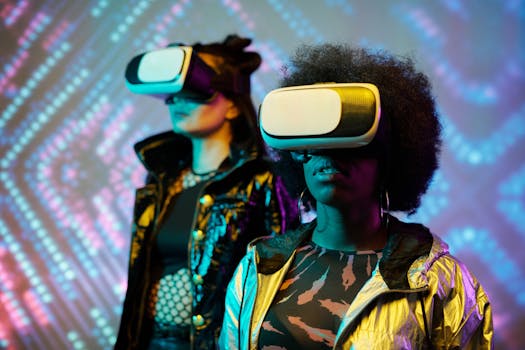
Perhaps the most significant leap in recent years comes from immersive technologies. Virtual Reality (VR) and Augmented Reality (AR) are transforming the way adult entertainment is experienced. VR headsets allow users to enter fully immersive environments, blurring the distinction between viewer and participant. According to Statista, revenue from VR adult content is projected to reach $1.4 billion by 2025, highlighting rapid consumer adoption.
In addition to VR, haptic technology—devices that simulate touch—has brought a new dimension to adult experiences. Teledildonics, or internet-connected sex toys, let users interact physically over distances, syncing with digital content or even with partners in real time. Companies like Lovense and Kiiroo have reported double-digit annual growth rates as demand for connected devices rises, especially since the COVID-19 pandemic increased interest in remote intimacy tools.
The table below compares the key features and adoption rates of major immersive technologies in adult entertainment:
| Technology | Main Features | Estimated Market Size (2025) | Adoption Rate (2023) |
|---|---|---|---|
| Virtual Reality (VR) | 360° video, immersive environments, interactive POV | $1.4 billion | 18% of regular adult content viewers |
| Augmented Reality (AR) | Overlay of digital content on real world, interactive filters | $0.6 billion | 8% of users in mobile adult apps |
| Haptic Devices | Remote touch, device syncing, teledildonics | $2.2 billion | 12% of adult toy users |
Artificial Intelligence: Personalization and Content Creation
Artificial intelligence (AI) is rapidly becoming a transformative force in the adult entertainment industry. AI-powered algorithms analyze vast amounts of user data to offer personalized recommendations, optimize search results, and even moderate content to ensure compliance with legal and ethical standards. In 2023, more than 65% of leading adult platforms reported using AI-driven tools for content curation and user engagement.
But AI’s influence goes further. Deep learning technology is now being used to generate synthetic media, such as deepfakes—realistic videos and images created by superimposing faces onto existing footage. While this opens creative possibilities, it also raises ethical concerns around consent, privacy, and potential misuse. Platforms are increasingly investing in AI-based detection tools to combat non-consensual and harmful content.
AI is also revolutionizing content production. Text-to-image and text-to-video generators can create customized adult content on demand, tailored to individual preferences. This technology is still emerging, but its implications for privacy, authenticity, and intellectual property are profound, prompting ongoing debate within the industry and regulatory circles.
Privacy, Security, and Digital Rights
With technological advancement comes heightened concern for privacy and security. Adult entertainment has long been at the forefront of digital privacy innovation, pioneering practices like anonymous payment systems, end-to-end encryption, and secure streaming protocols.
Privacy breaches, however, remain a significant risk. In 2020, a major leak from a popular adult subscription site exposed the personal details of over 417,000 users and creators. This incident underscored the importance of robust cybersecurity measures, as well as the sensitive nature of adult content consumption.
To safeguard users, many platforms now offer features such as private browsing modes, discreet billing, and multi-factor authentication. Blockchain technology is also gaining traction, providing decentralized verification and payment options that further protect anonymity. According to a 2021 survey by Cybersecurity Ventures, over 70% of adult content users cited privacy as their top concern when accessing digital material.
Societal Impacts and Ethical Considerations
The intersection of technology and adult entertainment extends beyond innovation—it also shapes cultural attitudes and ethical debates. On one hand, technology has empowered performers and consumers alike, enabling greater autonomy, creative expression, and safer working conditions. The rise of direct-to-fan platforms, such as OnlyFans, has allowed creators to set their own terms, with over 2 million content creators and 200 million users as of 2023.
On the other hand, the rapid pace of technological change brings challenges. The proliferation of deepfakes, revenge porn, and non-consensual content has prompted calls for stronger regulation and digital rights protections. In 2021, the European Union introduced new legislation requiring platforms to implement stricter age verification and content moderation processes.
There are also concerns about the psychological and social impacts of increasingly immersive adult experiences, particularly among younger audiences. Studies have found that early exposure to hyperrealistic adult content can influence expectations and attitudes towards sex and relationships, reinforcing the need for comprehensive digital literacy and sexual education.
The Future of Technology and Adult Entertainment
Looking ahead, several trends are poised to shape the next chapter in the relationship between technology and adult entertainment. Advances in AI, haptics, and virtual worlds are likely to drive even greater personalization and interactivity. The emergence of the metaverse—a collective virtual space where users interact via avatars—could create entirely new paradigms for adult socialization, entertainment, and commerce.
Regulation will play a critical role in balancing innovation with ethical responsibility. As governments and industry bodies grapple with issues like consent, privacy, and exploitation, collaborative solutions will be essential to protect both creators and consumers.
Ultimately, the intersection of technology and adult entertainment is a dynamic frontier, reflecting broader shifts in how society navigates intimacy, identity, and digital life. As new tools and platforms continue to emerge, the conversation around their impact—both positive and negative—will remain at the forefront of cultural discourse.